
When Comprehensive Becomes Optional
You paid off both vehicles last year. The lender no longer requires comprehensive and collision coverage. Now you face a decision most single-car guides never address: whether to keep comprehensive on both cars, drop it from both, or structure coverage differently across your household's vehicles.
New Mexico law requires $25,000 per person and $50,000 per accident in bodily injury liability, plus $10,000 in property damage liability. The state does not mandate comprehensive coverage. Once the loan releases, the choice is yours. That choice gets harder when you own multiple vehicles with different values, different uses, and different replacement costs.
Compare car insurance rates in your state
Get quotes from licensed carriers — no obligation, no spam, results in minutes.
Get Your Free QuoteNew Mexico Minimum Liability
$25,000/$50,000/$10,000
New Mexico statute requires these liability limits but imposes no comprehensive or collision mandate. Once a vehicle is paid off, physical-damage coverage becomes optional regardless of the car's value.
New Mexico Motor Vehicle Division
What Comprehensive Actually Covers
Comprehensive pays for damage to your vehicle from events other than collision: theft, vandalism, hail, flood, fire, falling objects, and animal strikes. It does not cover damage from hitting another car or object — that is collision coverage. It does not cover liability for damage you cause to someone else's property — that is your property damage liability coverage.
The coverage pays up to the actual cash value of your vehicle at the time of loss, minus your deductible. Actual cash value means replacement cost minus depreciation. A ten-year-old sedan with 140,000 miles has a much lower actual cash value than a three-year-old SUV with 30,000 miles, even if both are paid off.
When a total loss occurs, the insurer pays the actual cash value. You receive that amount minus your deductible. The lower the vehicle's value relative to the deductible, the less the coverage pays in a total-loss scenario.
The Per-Vehicle Value Threshold
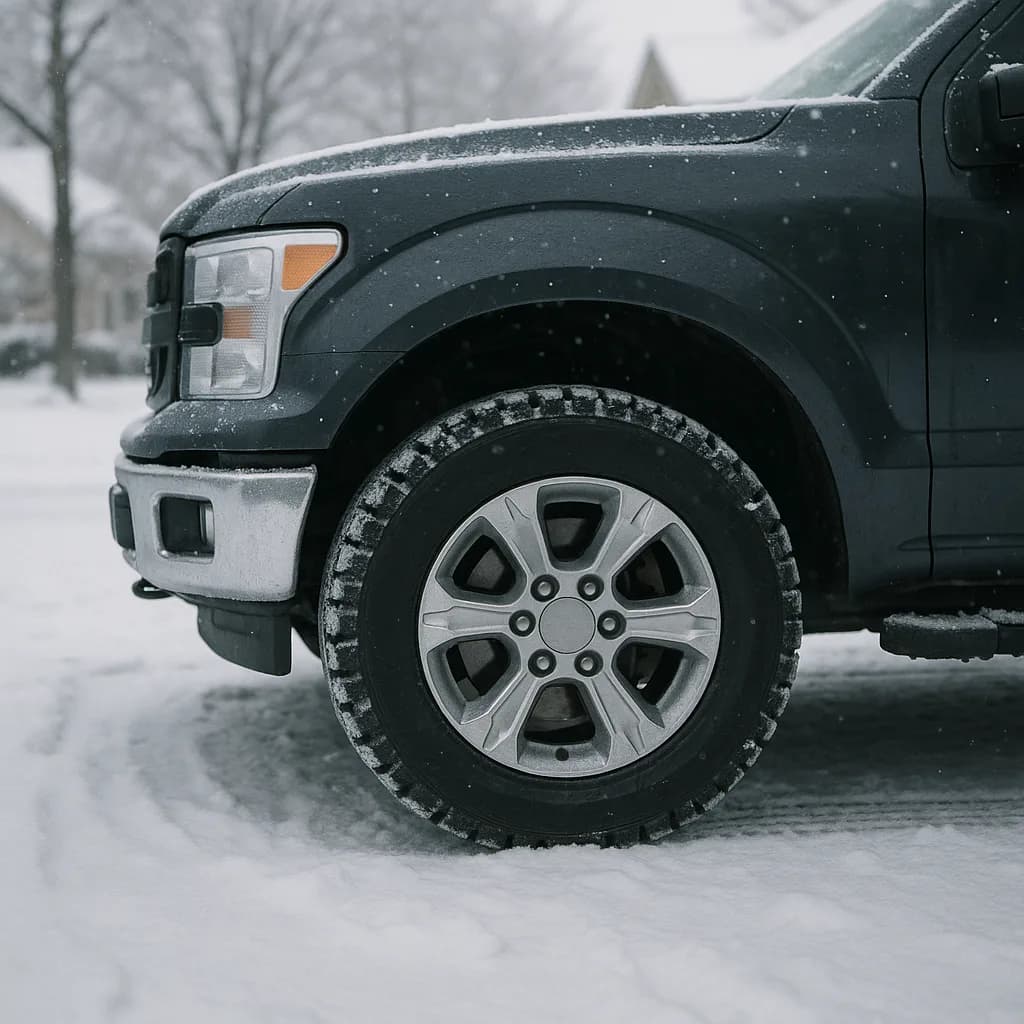
Start with each vehicle's current market value. Use resources like Kelley Blue Book or NADA Guides to estimate actual cash value based on year, make, model, mileage, and condition. Subtract your deductible from that value. The result is the maximum you would receive in a total-loss comprehensive claim. Compare that net payout to two or three years of comprehensive premium. If the premium over that period approaches or exceeds the net payout, the coverage delivers poor value.
Apply this calculation separately to each vehicle. Keeping comprehensive on the newer vehicle while dropping it from the older one is a common and rational structure for multi-vehicle households. The multi-car discount applies to the policy as a whole — dropping comprehensive from one vehicle does not eliminate the discount, because both vehicles remain on the same policy and you still carry liability on both.
Related Articles

New Mexico Theft and Weather Context
New Mexico recorded 522.6 motor vehicle thefts per 100,000 population in 2024, well above the national median. Albuquerque, Santa Fe, and Las Cruces see elevated theft rates compared to rural counties. Comprehensive covers theft and vandalism. If you park on the street in a high-theft area, the risk profile shifts in favor of keeping coverage even on a moderately valued vehicle.
Hail is a recurring risk across the state, particularly in the eastern plains and central highlands during spring and early summer. A single severe hailstorm can total a vehicle's exterior. Comprehensive covers hail damage. If you lack covered parking and live in a hail-prone county, that environmental factor weighs toward retaining coverage.
Collision with wildlife — primarily deer and elk — is common on rural highways and state routes. Comprehensive covers animal strikes. Collision coverage does not. If you drive frequently on US-285, US-550, or I-25 through rural stretches, animal-strike risk is material. Urban commuters face lower wildlife risk but higher theft and vandalism exposure.
New Mexico Vehicle Theft Rate
522.6 per 100,000
New Mexico's 2024 motor vehicle theft rate substantially exceeds the national average. Urban counties and areas near interstate corridors see the highest theft activity, making comprehensive coverage more valuable for street-parked vehicles.
FBI Uniform Crime Reporting, 2024
Structuring Coverage Across Two or More Vehicles
You can carry different coverage on each vehicle within the same policy. New Mexico law requires liability on every vehicle you register and insure, but physical-damage coverage is optional and can vary by vehicle. One car can carry comprehensive and collision; another can carry liability only. Both remain on the same policy, preserving the multi-car discount.
This structure makes sense when vehicle values diverge. Keep comprehensive on the newer or higher-value vehicle. Drop it from the older or lower-value vehicle. The premium savings from dropping coverage on one car often exceed the incremental cost of keeping it on the other, because the lower-value vehicle's comprehensive premium — though smaller in absolute terms — delivers poor return relative to potential payout.
Compare Carriers That Write Your Household
Comprehensive premium varies significantly by carrier, even for the same vehicle and deductible. Eighteen carriers write multi-vehicle policies in New Mexico, including Allstate, Geico, Progressive, State Farm, Farmers, and Nationwide. Each prices comprehensive differently based on proprietary models, claims experience, and underwriting appetite.
Request quotes with comprehensive included and with comprehensive removed for each vehicle. Compare the premium difference against each vehicle's net insurable value. Carriers that offer competitive multi-car discounts may still price comprehensive high on older vehicles, making it easy to identify which cars to keep covered and which to insure for liability only. The comparison step is not optional — comprehensive pricing variance across carriers often exceeds the coverage's annual cost on a single vehicle.