
Minimum Coverage vs Full Coverage — New Mexico
Free to compare
The Split-Coverage Household
You own two vehicles. One is financed and the lender requires comprehensive and collision. Your current policy applies the same coverage to both cars, and the premium feels heavier than it should.
New Mexico law requires $25,000 bodily injury per person, $50,000 per accident, and $10,000 property damage on every registered vehicle. That liability minimum applies to both cars. Comprehensive and collision are optional unless a lienholder mandates them. The structural question households with multiple vehicles face: does every car on the policy need identical physical-damage coverage, or can you assign collision and comprehensive per vehicle and lower the combined premium?
“A multi-vehicle policy can assign different physical-damage coverage to each car—the financed car carries full coverage while the older paid-off car keeps liability and comprehensive only.”
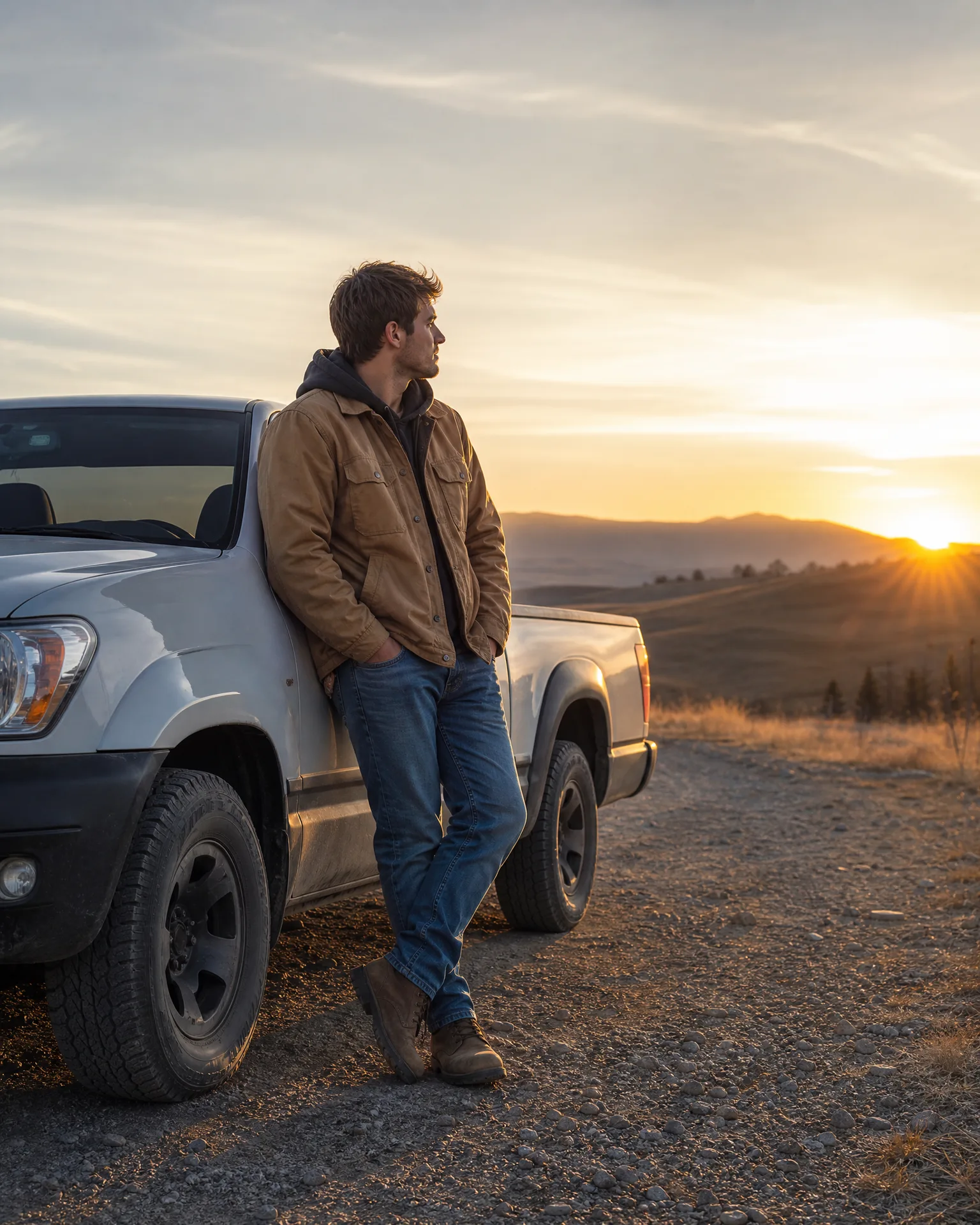
See What New Mexico Drivers Pay for the Coverage They Need
Get My New Mexico Car Insurance Quote$25,000 / $50,000 / $10,000
New Mexico Liability Minimum
Every registered vehicle in New Mexico must carry at least $25,000 bodily injury per person, $50,000 per accident, and $10,000 property damage. This is the floor; it does not include collision or comprehensive.
New Mexico Taxation & Revenue Department, Motor Vehicle Division
What Minimum Coverage Actually Covers
Minimum coverage in New Mexico means liability only: bodily injury and property damage you cause to others. It pays nothing toward your own vehicle's repair or replacement after a collision, theft, vandalism, hail, or animal strike. If you total your car in an at-fault accident, minimum coverage leaves you with the loss.
Full coverage adds collision and comprehensive to the liability base. Collision pays for damage from crashes regardless of fault. Comprehensive covers non-collision events—theft, weather, glass, fire, falling objects. Both carry a deductible you choose, typically $500 or $1,000. The premium difference between minimum and full coverage depends on the vehicle's value, your deductible, and your driving record.
New Mexico does not mandate uninsured motorist coverage, but 24.1% of New Mexico drivers are uninsured. Uninsured motorist bodily injury and property damage are optional add-ons that protect you when an at-fault driver has no insurance. Many households add UM coverage to the liability minimum without stepping up to full collision and comprehensive on every vehicle.
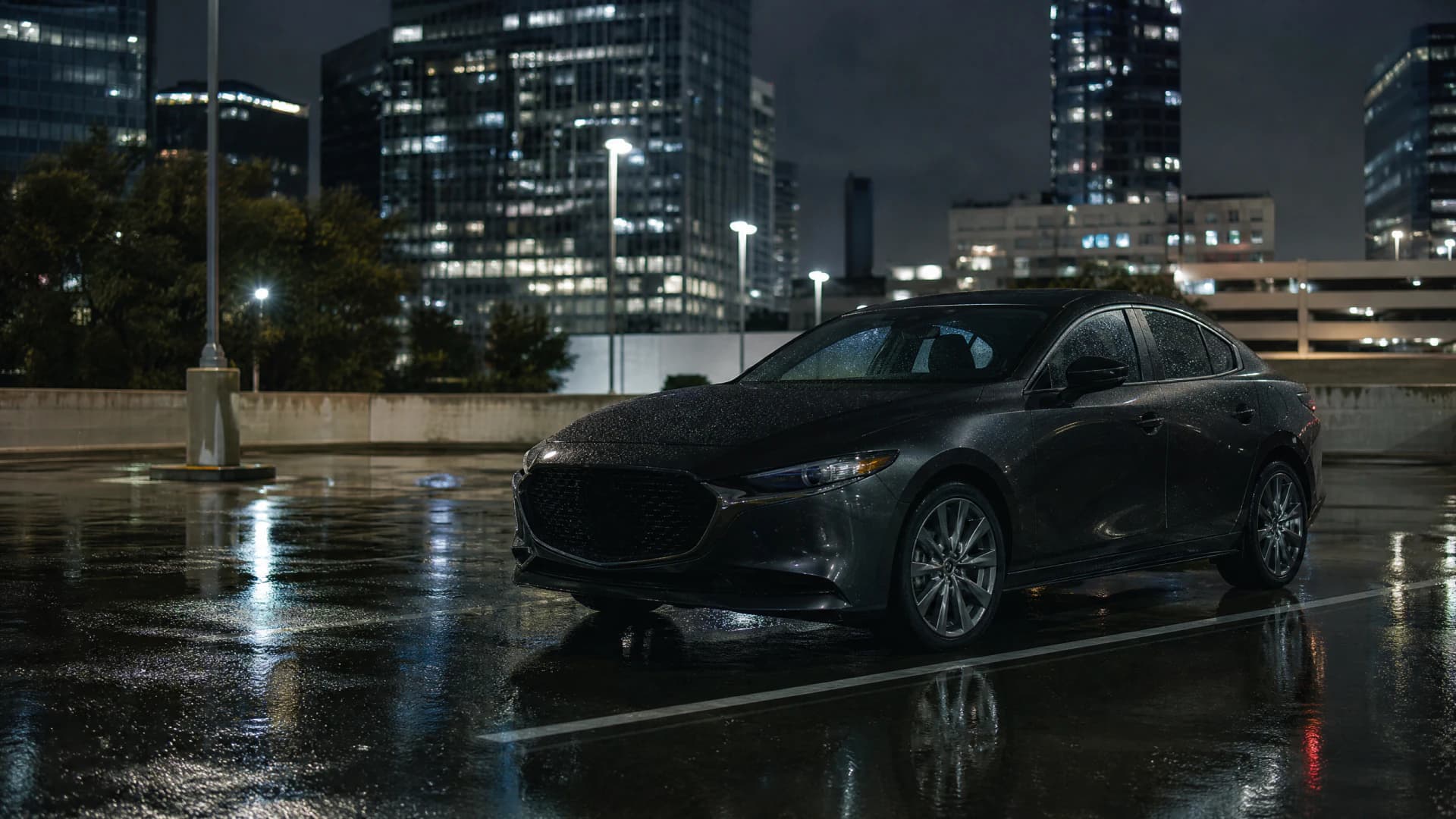
A multi-vehicle policy can assign different physical-damage coverage to each car. The financed car carries full coverage; the older paid-off car drops collision and keeps liability and comprehensive only.
Related Articles





When Full Coverage Makes Sense on Every Vehicle
Full coverage on every car makes sense when the vehicles are new or worth enough that replacing one out-of-pocket would strain your household budget. If both cars are financed, the lienholders require it. If both are leased, the lease agreements mandate comprehensive and collision with low deductibles.
Full coverage also makes sense when you live in an area with high theft or weather risk. New Mexico's motor vehicle theft rate is 522.6 per 100,000 population, well above the national average. Comprehensive covers theft. If you park on the street in Albuquerque or another high-theft area, comprehensive on every vehicle protects against a loss minimum coverage will not touch.
Gap insurance is a separate product that pays the difference between what you owe on a financed vehicle and what the vehicle is worth after a total loss. It is not part of full coverage but is often sold alongside it. If you owe more than the car is worth, gap insurance prevents you from paying off a loan on a totaled vehicle. It applies only to financed or leased vehicles and is irrelevant to paid-off cars.
24.1%
New Mexico Uninsured Motorist Rate
Nearly one in four New Mexico drivers operates without insurance. Uninsured motorist coverage protects your household when an at-fault driver has no liability policy. It is optional in New Mexico but recommended for multi-vehicle households.
Insurance Research Council, 2023
Comparing Carriers for Multi-Vehicle Policies
Carriers price multi-vehicle policies differently. Some offer larger multi-car discounts; others price the base premium lower and apply a smaller discount. The discount percentage alone does not determine the best rate. A 20% discount on a high base premium can cost more than a 10% discount on a lower one.
Allstate, Farmers, Geico, National General, Progressive, State Farm, and The General all write multi-vehicle policies in New Mexico. Each prices collision, comprehensive, and liability independently per vehicle. When you request quotes, specify which vehicles carry full coverage and which carry liability only. The quote you receive should reflect per-vehicle coverage assignment, not a blanket full-coverage assumption across every car.
Adjust Coverage When Circumstances Change
When you pay off a financed vehicle, the lender releases the lien and no longer requires collision and comprehensive. That is the moment to re-evaluate whether full coverage still makes sense on that car. If the vehicle's value has depreciated and the collision premium feels disproportionate, call your carrier and drop collision. Keep comprehensive if theft or weather risk remains a concern. The liability minimum stays in place on every vehicle.
When you add a third or fourth vehicle to the policy, the multi-car discount increases. Carriers typically apply the discount to every vehicle after the first. Adding an older paid-off car with liability-only coverage to a policy that already carries two vehicles with full coverage can lower the per-vehicle premium on all three cars while keeping total cost manageable. Compare quotes with the new vehicle included before you register it.
Per-Vehicle Coverage Assignment
When you add a second or third vehicle to your policy, the carrier does not require identical coverage on every car. The financed vehicle must carry comprehensive and collision to satisfy the lienholder. The paid-off vehicle does not. You can drop collision on the older car, keep comprehensive for theft and weather, and retain the full liability stack on both. The multi-car discount applies to the entire policy regardless of whether every vehicle carries the same physical-damage coverage.
The premium savings from dropping collision on a low-value vehicle often exceed the potential payout. Compare that to the annual collision premium on that vehicle. When the premium approaches or exceeds 10% of the vehicle's value, dropping collision and banking the savings typically makes more financial sense than insuring a small potential loss.
Get Your Free Quote
Get My New Mexico Car Insurance QuoteFrequently Asked Questions
Can I have minimum coverage on one car and full coverage on another on the same policy?
Yes. Most carriers let you assign collision and comprehensive independently to each vehicle on a multi-car policy. The financed car carries full coverage to satisfy the lender; the paid-off car can drop collision and keep liability and comprehensive only. The multi-car discount applies to the entire policy regardless of per-vehicle coverage differences.
Does New Mexico require uninsured motorist coverage?
No. Uninsured motorist bodily injury and property damage coverage are optional in New Mexico. However, 24.1% of New Mexico drivers are uninsured, so many households add UM coverage to protect against at-fault drivers with no liability policy. UM coverage is separate from collision and comprehensive.
What happens if I total a car that only has minimum coverage?
Minimum coverage pays nothing toward your own vehicle. If you total your car in an at-fault accident and carry only liability, you absorb the loss. If the other driver is at-fault and has liability insurance, their property damage coverage pays up to their policy limit. If they are uninsured, you have no recovery unless you carry uninsured motorist property damage.
When should I drop collision on an older vehicle?
Drop collision when the annual premium approaches or exceeds 10% of the vehicle's value. Keep comprehensive if theft or weather risk remains a concern; it costs less than collision and covers non-collision losses.
Do I need gap insurance on a paid-off vehicle?
No. Gap insurance pays the difference between what you owe on a loan and what the vehicle is worth after a total loss. It applies only to financed or leased vehicles. Once a car is paid off, you owe nothing, so gap insurance serves no purpose. Drop it when the lien is released.
Will adding a third vehicle with minimum coverage lower my premium on the other two cars?
Adding a third vehicle increases the multi-car discount, which typically applies to every vehicle after the first. If the third car carries liability-only coverage, the incremental cost is low, and the larger discount may reduce the per-vehicle premium on the two cars with full coverage. Compare quotes with the new vehicle included before registering it.