
Ticket Rate Increases — New Mexico
Free to compare
Your Ticket Re-Rates Every Car You Insure
You received a traffic ticket in New Mexico and you insure two or more vehicles on one policy. When your carrier processes the violation at renewal, the rate increase applies to the entire policy — every car you insure, not just the one you were driving when cited. A household with three vehicles sees the surcharge multiplied across all three, even if only one driver committed the violation.
This article walks through how New Mexico carriers apply violation surcharges to multi-vehicle policies, what the timing looks like, and how to compare rates when your renewal notice arrives with the increase already baked in.
“The ticket surcharge applies to every vehicle on your policy, compounding the dollar increase across all three cars.”

See What New Mexico Drivers Pay for the Coverage They Need
Get My New Mexico Car Insurance Quote24.1%
New Mexico Uninsured Motorist Rate
Nearly one in four drivers on New Mexico roads carries no insurance. Uninsured-motorist coverage becomes critical when a ticket pushes your premium higher and you're weighing whether to drop optional coverages to offset the increase.
Insurance Information Institute, 2023
The Violation Surcharge Hits the Whole Policy
New Mexico carriers re-rate your entire policy when they add a violation to your record. The surcharge percentage — determined by violation severity and your carrier's filing — applies to the base premium for every vehicle. A speeding ticket that adds 20% to your rate adds 20% to the cost of insuring all three cars, not just the sedan you were driving.
This structure means multi-car households see larger absolute dollar increases than single-car households for the same violation. The percentage is identical, but it's calculated against a higher total premium. A household paying for three vehicles feels the surcharge three times over.
Carriers pull your motor vehicle record at renewal, not immediately after the ticket. The increase appears when your policy renews, typically 30 to 90 days after the violation posts to your New Mexico MVD record. You will not see the surcharge mid-term unless you add a vehicle or make another policy change that triggers re-rating.
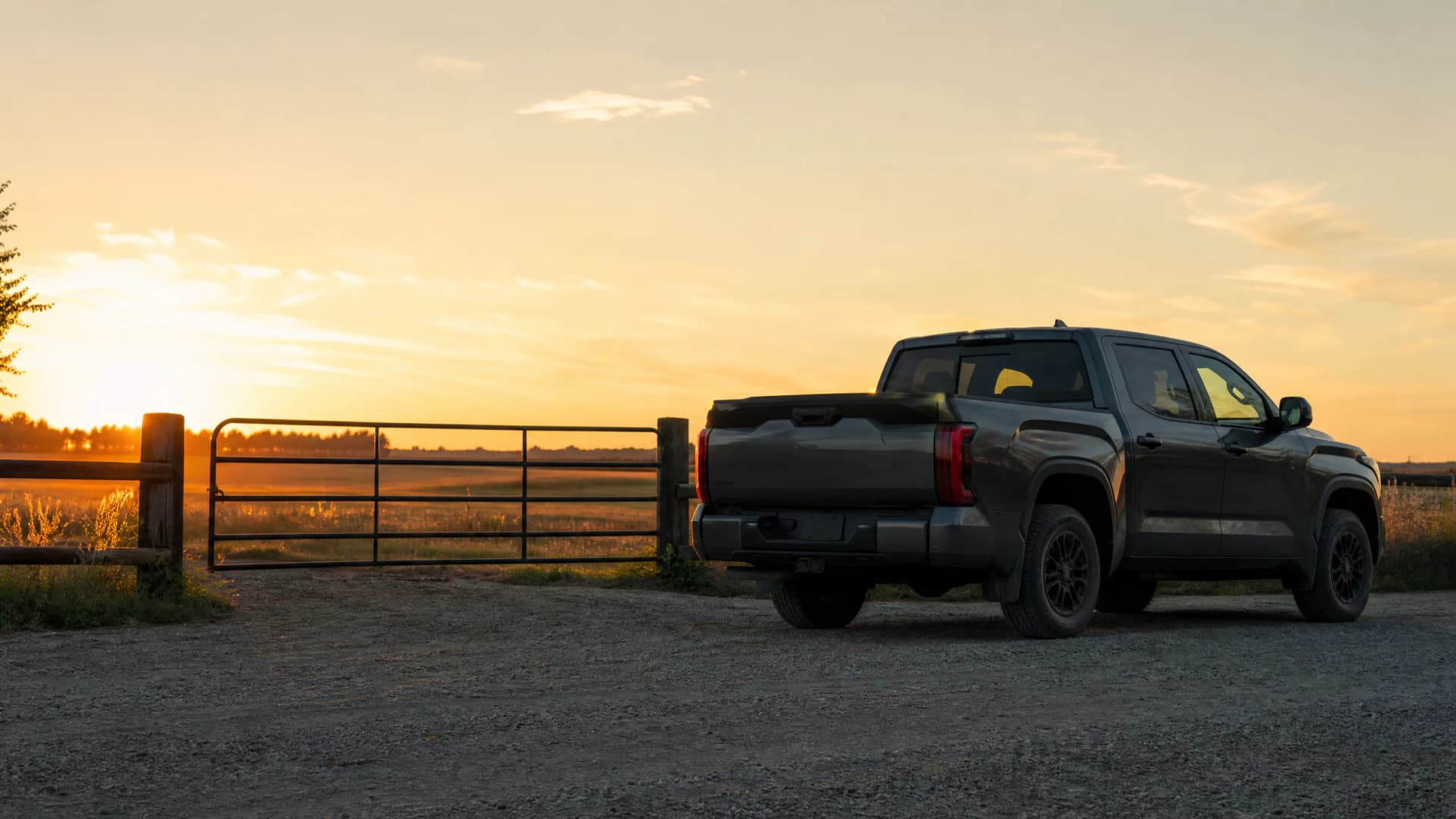
The ticket surcharge applies to every vehicle on your policy, compounding the dollar increase even though the violation percentage stays the same.





Multi-Car Discount Survives the Ticket
The multi-car discount remains in place after a violation. New Mexico carriers apply the discount to the base premium first, then apply the violation surcharge to the discounted rate. You do not lose the multi-vehicle discount because one driver on the policy received a ticket.
The sequence matters: if your three-car policy carries a 20% multi-car discount and the ticket adds a 25% surcharge, the carrier calculates the base premium for all three vehicles, applies the 20% discount, then applies the 25% surcharge to the discounted total. The discount reduces the base you're surcharged against, but it does not cancel out the violation increase.
Some households consider splitting vehicles onto separate policies after a ticket to isolate the surcharge to one car. This strategy fails in New Mexico because you lose the multi-car discount entirely, and the cost of insuring the remaining vehicles separately almost always exceeds the surcharge savings. Carriers price single-vehicle policies higher than multi-vehicle policies, even after accounting for a violation on one driver.
$25,000 / $50,000 / $10,000
New Mexico Minimum Liability
New Mexico requires $25,000 bodily injury per person, $50,000 per accident, and $10,000 property damage. Dropping to state minimums after a ticket lowers your premium but leaves you exposed if you cause a serious crash.
New Mexico Statutes Annotated § 66-5-205

Compare Carriers Before Your Renewal Date
When your renewal notice arrives with the violation surcharge, you have a narrow window to shop. Request quotes from at least three carriers that write multi-vehicle policies in New Mexico. Provide the exact violation type, the date it posted to your MVD record, and the number of vehicles you insure. Carriers weight violations differently: one may surcharge a speeding ticket 15%, another 30%.
New Mexico permits carriers to offer accident-forgiveness and violation-forgiveness programs, but these programs apply only to the first violation and only if you enrolled before the ticket. If you were not already enrolled, forgiveness is not available retroactively. Compare the surcharged renewal rate against quotes from carriers whose base rates are lower, even after they apply their own violation surcharge.
What To Do Right Now
Pull your New Mexico MVD driving record to confirm the violation posted and note the date. Check your current policy renewal date — you will see the surcharge at that renewal, not before. If your renewal is more than 60 days out, wait until 45 days before renewal to request quotes so carriers price against current underwriting rules. If renewal is within 30 days, request quotes immediately from carriers writing multi-vehicle policies in New Mexico. Provide your current coverage limits, the violation details, and the number of vehicles on your policy. Compare the quoted premiums against your surcharged renewal rate and switch if the savings justify the effort.
How Carriers Process the Violation
The violation posts to your New Mexico MVD driving record within 10 to 30 days after you pay the fine or the court closes your case. Carriers do not see the ticket until they pull your record, which happens at renewal. If your policy renews in March and you received a ticket in April, the carrier will not know about it until the following March renewal.
At renewal, the carrier pulls a fresh MVD record for every driver on the policy. The violation appears, and the underwriting system applies the surcharge filed with the New Mexico Office of Superintendent of Insurance for that violation class. The new rate appears on your renewal notice, typically mailed 30 to 45 days before the renewal date. You have until the renewal date to accept the new rate or switch carriers.
Get Your Free Quote
Get My New Mexico Car Insurance QuoteFrequently Asked Questions
Does a speeding ticket in New Mexico affect all cars on my policy?
Yes. New Mexico carriers apply the violation surcharge to your entire policy premium, which covers every vehicle you insure. A ticket received while driving one car increases the cost of insuring all vehicles on the same policy.
When does my rate go up after a ticket in New Mexico?
Your rate increases at your next policy renewal after the violation posts to your New Mexico MVD record. Carriers pull your driving record at renewal, not mid-term. The increase appears on your renewal notice, typically mailed 30 to 45 days before the renewal date.
Will I lose my multi-car discount after a ticket?
No. The multi-car discount remains in place. Carriers apply the discount to your base premium first, then apply the violation surcharge to the discounted rate. You keep the discount but pay the surcharge on top of it.
Can I avoid the surcharge by moving one car to a separate policy?
Splitting vehicles onto separate policies to isolate the surcharge almost always costs more than keeping them together. You lose the multi-car discount entirely, and single-vehicle policies cost more per car than multi-vehicle policies, even after accounting for the violation surcharge.
How long does a ticket affect my rate in New Mexico?
Most New Mexico carriers surcharge violations for three years from the violation date. After three years, the ticket drops off your rate calculation at renewal. The violation remains on your MVD record longer, but carriers stop applying the surcharge after the three-year window.
Should I compare carriers after I get a ticket?
Yes. Carriers weight violations differently. One may apply a 15% surcharge for speeding, another 30%. Request quotes from at least three carriers that write multi-vehicle policies in New Mexico and compare the total premium for all your vehicles, including the violation surcharge each carrier applies.