
Auto Insurance Rates in New Mexico — Multi-Car Households
Free to compare
When Adding a Second Car Changes Your Entire Premium
You just bought a second vehicle and called your carrier to add it to your existing New Mexico auto policy. The agent quoted a new total premium that's higher than you expected — not just the cost of insuring the new car, but a different rate structure for both vehicles. You assumed adding a car would mean adding a flat amount to your current bill. Instead, the carrier re-rated your entire policy.
This is how multi-car policies work in New Mexico. When you add or remove a vehicle mid-term, the carrier recalculates your premium from scratch using the new vehicle count, the multi-car discount tier, and the combined risk profile of every car on the policy. The multi-car discount applies to the policy as a whole, not to individual vehicles. Understanding this structure helps you anticipate the actual cost before you buy the next car.
“Adding a vehicle mid-term re-rates your entire policy using the new vehicle count and combined risk profile, not just the cost of the new car.”

See What New Mexico Drivers Pay for the Coverage They Need
Get My New Mexico Car Insurance Quote$25,000/$50,000/$10,000
New Mexico Minimum Liability
New Mexico requires $25,000 bodily injury per person, $50,000 bodily injury per accident, and $10,000 property damage per vehicle. Every car on your policy must meet these minimums to register and drive legally.
New Mexico Motor Vehicle Division
The Multi-Car Discount Requires Every Vehicle on One Policy
The multi-car discount in New Mexico applies only when every vehicle you want to insure sits on the same policy. If you and your spouse each maintain separate policies, you're paying two separate base rates with no multi-car discount on either. If a household member's car is titled to them and they carry their own policy, that vehicle does not count toward your multi-car discount even if you live at the same address.
Combining two policies after marriage or a household move usually lowers the combined premium because the multi-car discount offsets the higher vehicle count. But not always. If one spouse has a clean record and the other has recent violations, the combined policy may cost more than keeping them separate. The decision depends on the specific driving records and vehicle profiles in your household.
When you add a third or fourth vehicle, the discount tier often increases. Carriers structure multi-car discounts in tiers: two vehicles earn one discount percentage, three vehicles earn a higher percentage, and four or more vehicles earn the highest tier. The exact tier structure varies by carrier. Some carriers cap the discount at three vehicles; others continue scaling through five or six.
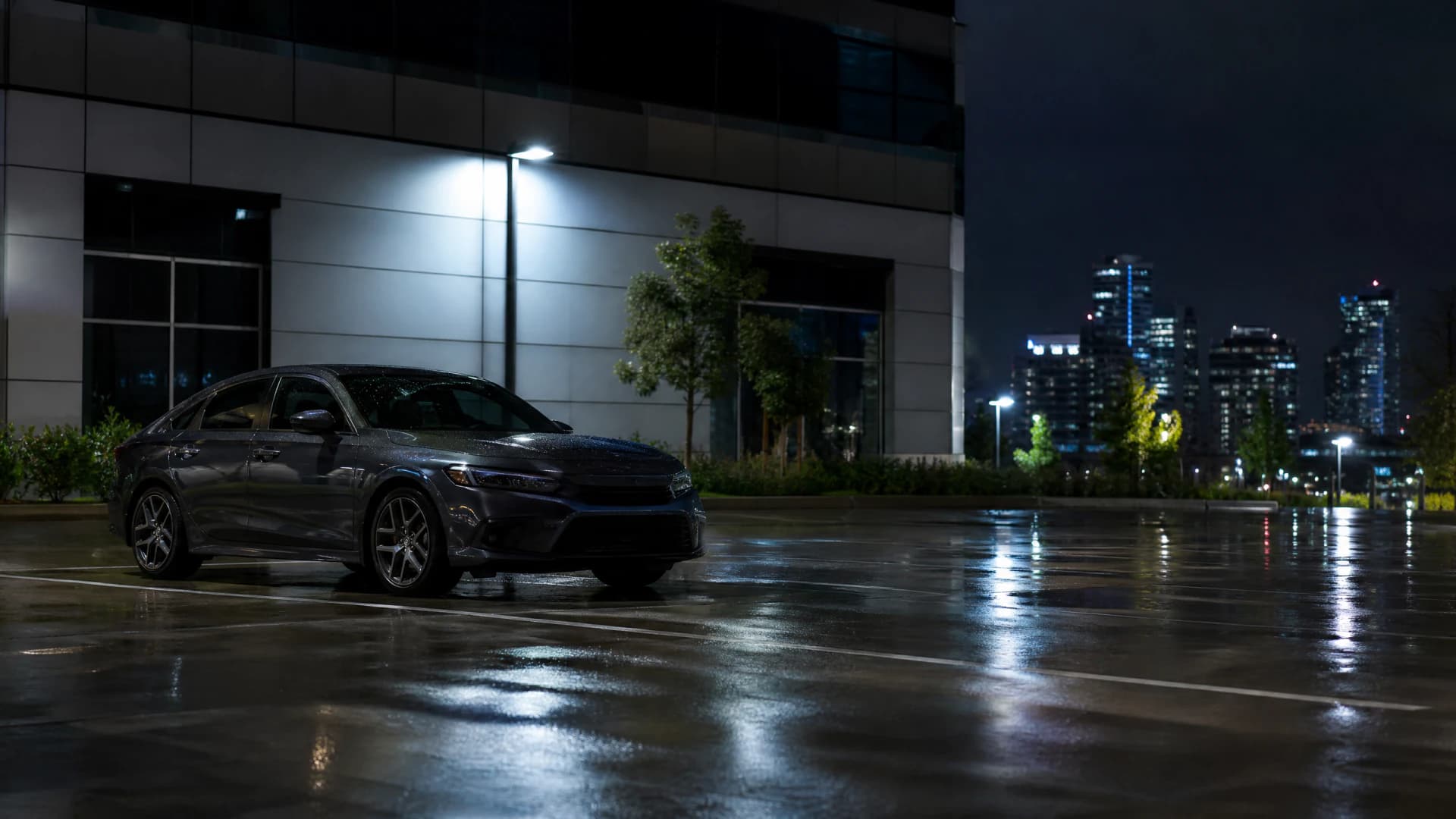
Adding a vehicle mid-term re-rates your entire policy, not just the new car. The multi-car discount recalculates, the base rate adjusts, and both vehicles are priced under the new structure.




What Drives Your Multi-Car Premium in New Mexico
Your household premium depends on the combined risk profile of every vehicle and driver on the policy. Carriers evaluate each vehicle's year, make, model, safety features, theft rate, and repair cost. They evaluate each driver's age, driving record, credit history where lawful, and annual mileage. Then they apply the multi-car discount to the total.
New Mexico has a 24.1% uninsured motorist rate, one of the highest in the country. Carriers price uninsured motorist coverage accordingly. Adding uninsured motorist coverage to a multi-car policy increases your premium, but it protects every vehicle and driver on the policy if you're hit by an uninsured driver. New Mexico does not mandate uninsured motorist coverage, but most carriers recommend it given the state's uninsured rate.
Location matters. Albuquerque and Santa Fe have higher theft rates and accident frequencies than rural counties. If you garage your vehicles in a high-theft zip code, your comprehensive premium will be higher. If you commute long distances, your liability premium will be higher. Carriers use your garaging address and annual mileage to calculate risk. When you add a second vehicle, both vehicles are rated using the same garaging address unless you specify a different location for one of them.
18 carriers
New Mexico Multi-Car Carriers
Eighteen carriers write multi-vehicle policies in New Mexico, including Allstate, Geico, Progressive, State Farm, Farmers, and National General. Each uses different underwriting rules for vehicle count, garaging address, and discount tiers. Compare at least three carriers to find the best structure for your household.
New Mexico carrier roster

When to Keep Vehicles on Separate Policies
Combining every vehicle onto one policy is not always the lowest-cost option. If a household member has a recent DUI, at-fault accident, or multiple violations, adding their vehicle to your clean-record policy may increase your premium more than the multi-car discount saves. Some carriers will not write a multi-car policy if one driver has a suspended license or an active SR-22 requirement in another state.
Teenage drivers present the same decision. Adding a teen driver and their vehicle to your family policy usually costs less than buying them a separate policy, because the multi-car discount offsets part of the teen surcharge. But if the teen has their own violation or accident, some carriers will rate the entire policy as high-risk. Compare the combined premium against the cost of keeping the teen on a separate non-standard policy.
Compare Carriers That Write Your Household Structure
Not every carrier writes every household structure. If you own four vehicles, some carriers cap their multi-car discount at three and treat the fourth vehicle as a separate risk. If you have a mix of standard and high-risk drivers, some carriers will not write the policy at all. If one vehicle is a commercial truck or a motorcycle, some carriers require you to split it onto a separate policy.
Start by confirming which carriers write your specific household: the number of vehicles, the number of drivers, each driver's record, and each vehicle's use. Then compare the total premium, the multi-car discount tier, and the coverage options each carrier offers. The carrier with the lowest two-car rate may not have the lowest four-car rate. The carrier with the best discount tier may have a higher base rate that offsets the discount. Compare the total annual premium across at least three carriers, not just the discount percentage.
How New Mexico Carriers Structure Multi-Vehicle Policies
Most carriers require every vehicle on a multi-car policy to be garaged at the same address. If you own a car garaged at a second home or a college student's vehicle garaged out of state, some carriers will not apply the multi-car discount to that vehicle. Others allow it as long as the vehicle is titled to a household member on the policy. Check the garaging-address rule before you combine policies.
Carriers also differ on how they handle rarely-driven vehicles. A classic car or a seasonal vehicle that sits in storage most of the year can often be insured on a limited-use or pleasure-use policy at a lower rate. Some carriers allow you to keep that vehicle on your multi-car policy with a reduced-mileage discount; others recommend a separate collector or storage policy. If you own four vehicles but drive only two regularly, ask whether splitting them saves money compared to insuring all four on one policy.
Get Your Free Quote
Get My New Mexico Car Insurance QuoteFrequently Asked Questions
Does New Mexico require insurance on every vehicle I own?
Yes. New Mexico requires every registered vehicle to carry at least $25,000/$50,000/$10,000 liability coverage. If you own multiple vehicles, each must meet the state minimum to register and drive legally, whether they're on one policy or separate policies.
Can I insure two cars on one policy if they're titled to different people?
Most carriers allow it if both people live at the same address and are listed as drivers on the policy. If the vehicles are titled to people at different addresses, most carriers require separate policies. Check your carrier's same-household rule before combining policies.
How much does adding a second car increase my premium in New Mexico?
It depends on the vehicle's year, make, model, and how the carrier structures the multi-car discount. Adding a second car re-rates your entire policy, so the increase is not just the cost of insuring the new vehicle. Compare quotes from at least three carriers to see the actual combined premium.
Do I get a bigger discount if I insure three cars instead of two?
Usually yes. Most carriers structure multi-car discounts in tiers: two vehicles earn one discount percentage, three vehicles earn a higher percentage. Some carriers cap the discount at three vehicles; others continue scaling through five or six. The tier structure varies by carrier.
Can I keep one vehicle on a separate policy and still get the multi-car discount on the others?
No. The multi-car discount applies only to vehicles on the same policy. If you split one vehicle onto a separate policy, the remaining vehicles lose the multi-car discount tier they had before. Compare the combined cost of two policies against the cost of one policy covering all vehicles.
What happens to my multi-car discount if I sell one of the vehicles?
Your policy re-rates when you remove a vehicle. If you drop from three vehicles to two, you move to a lower discount tier and your per-vehicle rate increases. If you drop from two vehicles to one, you lose the multi-car discount entirely and pay the single-vehicle base rate.