
Rental Reimbursement Coverage — New Mexico
Free to compare
The Multi-Car Rental Coverage Question
You own two or more vehicles on one New Mexico policy and your carrier offers rental reimbursement coverage. The question is not whether rental coverage makes sense — it is which vehicles on your policy actually need it. Most households default to adding it across every car or skipping it entirely, and both paths leave money on the table or create a coverage gap.
Rental reimbursement pays for a rental car while your vehicle is in the shop after a covered claim. The coverage attaches to specific vehicles on your policy, not to you as a driver. That structure matters when you own multiple cars, because the vehicle in the shop determines whether the coverage triggers, and the household's backup transportation capacity determines whether you actually need a rental.
“The vehicle in the shop must carry rental coverage for the policy to pay — a household with coverage on two cars gets nothing if the third car crashes.”

See What New Mexico Drivers Pay for the Coverage They Need
Get My New Mexico Car Insurance Quote$25,000 / $50,000 / $10,000
New Mexico Minimum Liability
New Mexico requires $25,000 bodily injury per person, $50,000 per accident, and $10,000 property damage. Rental reimbursement is optional and sits outside these mandates — you control whether it appears on your policy and which vehicles carry it.
New Mexico MVD
How Rental Coverage Works on a Multi-Vehicle Policy
Rental reimbursement is a per-vehicle coverage. When you add it to your policy, you select which vehicles carry it. If your primary commuter car is in the shop after a collision claim and that car carries rental coverage, the policy pays the daily rental rate up to your selected limit. If the car in the shop does not carry rental coverage, you pay out of pocket even if another vehicle on the same policy does carry it.
The limits you select apply per claim, not per year. A household with three vehicles on one policy can structure rental coverage three different ways: add it to every vehicle, add it only to the daily drivers, or skip it entirely and rely on the backup cars already in the household.
New Mexico does not mandate rental reimbursement. It is an optional coverage you purchase on top of the state's $25,000/$50,000/$10,000 liability minimum. Carriers price it per vehicle, so adding it to three cars costs roughly three times the single-vehicle rate. That multiplier is where multi-car households make or lose money on this decision.
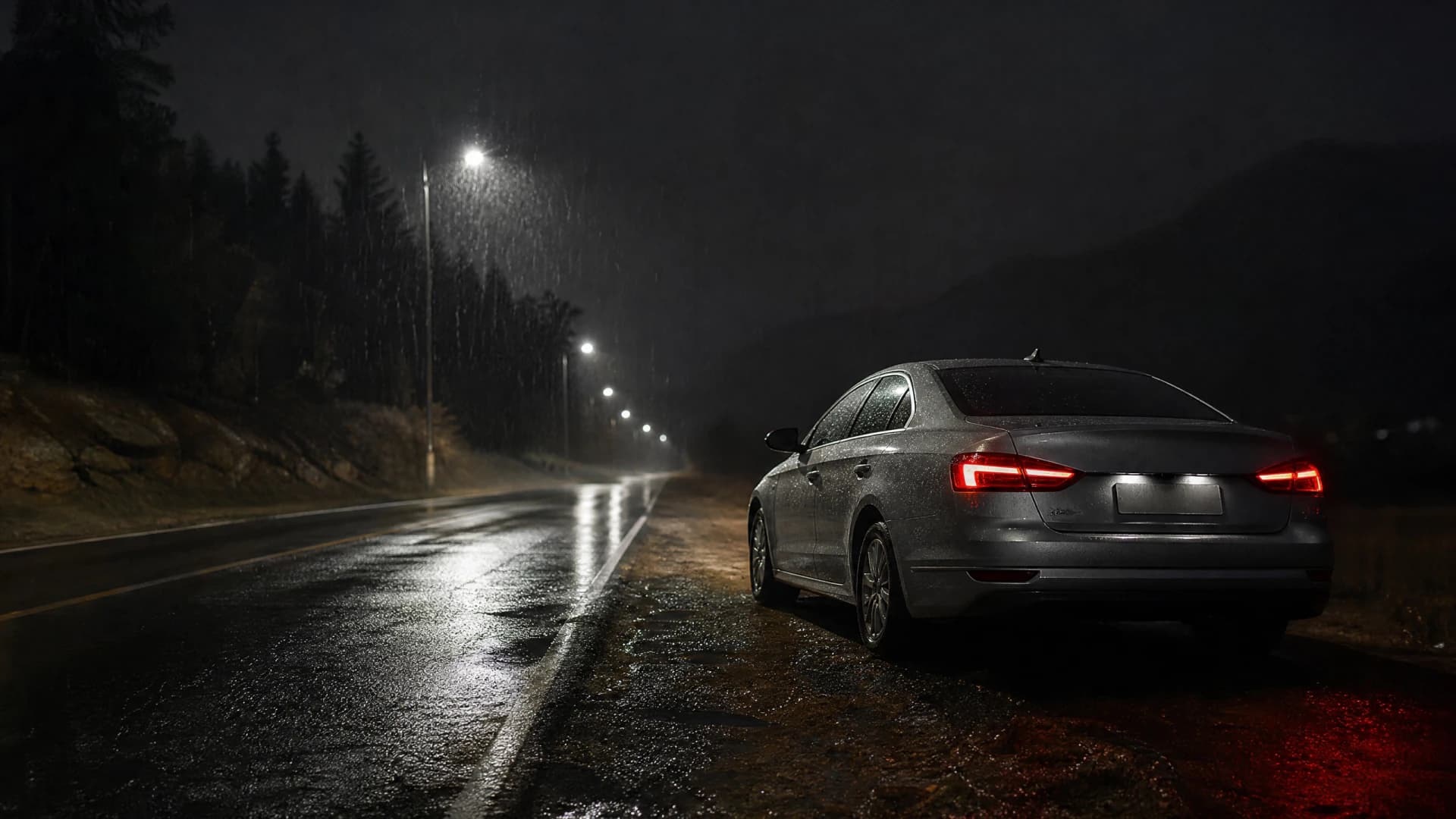
The vehicle in the shop must carry rental coverage for the policy to pay. A household with rental coverage on two cars gets nothing if the third car — without coverage — is the one that crashes.
Related Articles

Best Car Insurance for Multiple Cars in NM
7/15/2026
Multi-Car Coverage Requirements New Mexico
7/15/2026
Roadside Assistance Multi-Car Policy NM
7/15/2026
Full Coverage Companies New Mexico Multi-Car
7/15/2026

Travelers Multi-Car Insurance New Mexico
7/15/2026

Liability vs Full Coverage NM Multi-Car
7/15/2026

The Cost Structure and the Multi-Car Discount
Rental reimbursement adds a flat amount per vehicle per term. The exact amount varies by carrier, vehicle, and the daily limit you select, but the structure is consistent: more vehicles with rental coverage means a higher total premium. The multi-car discount applies to your base liability and physical-damage coverages, not to per-vehicle optional coverages like rental reimbursement. Adding rental to three vehicles costs three times the single-vehicle rate even when those vehicles sit on a multi-car policy.
That multiplier creates the decision point. If your household owns four vehicles but only two are daily drivers, adding rental coverage to all four vehicles pays for coverage you will never use. The two vehicles that sit in the driveway most of the time do not need rental reimbursement because the household already has backup transportation. Structuring rental coverage around actual daily-driver usage cuts the optional-coverage cost without creating a gap.
When you add or remove rental reimbursement mid-term, the policy re-rates. The change is not retroactive — you pay the new rate from the change date forward and receive a prorated refund or owe a prorated additional premium depending on the direction of the change. Dropping rental coverage from a rarely-driven vehicle mid-term produces an immediate small refund; adding it to a newly-purchased daily driver produces a small additional charge.
24.1%
New Mexico Uninsured Motorist Rate
Nearly one in four New Mexico drivers carries no insurance. Uninsured motorist coverage protects your household when an at-fault driver cannot pay; rental reimbursement covers your transportation gap during repairs regardless of fault.
Insurance Research Council, 2023

The Household-Backup Test
Run this test before adding rental coverage to every vehicle: if the vehicle in question is in the shop for a week, does the household lose transportation capacity? If the answer is no — because another car in the household covers the gap — that vehicle does not need rental reimbursement. If the answer is yes — because every vehicle in the household is a daily driver or losing that specific vehicle creates a commute problem — add rental coverage to that vehicle.
A household with two working adults, two daily commuter vehicles, and one weekend-use truck should carry rental coverage on the two commuter vehicles only. The truck does not need it because the household has two other cars. If the truck is in the shop, the household is not stranded. If one of the commuter cars is in the shop, the household still has the second commuter and the truck as backups, but rental coverage on the commuter vehicles ensures the household does not burn through the backup capacity when both commuters are on the road simultaneously.
Compare Carriers and Structure the Coverage
Not every carrier prices rental reimbursement the same way, and not every carrier offers the same daily limits. New Mexico writes policies through 19 major carriers, and rental-coverage pricing varies across them. When you compare quotes for a multi-vehicle policy, specify which vehicles need rental coverage and which do not. A quote that assumes rental coverage on every vehicle will run higher than a quote structured around your household's actual daily-driver count.
The path forward: identify which vehicles in your household are daily drivers, add rental reimbursement to those vehicles only, and skip it on the backups. Request quotes from carriers that write multi-car policies in New Mexico and compare the total premium with rental coverage structured this way. The household-backup test tells you which vehicles need coverage; the carrier comparison tells you which policy delivers it at the lowest total cost.
Which Vehicles Actually Need Rental Coverage
Add rental reimbursement to the vehicles the household cannot function without. If you drive one car to work every day and a second car sits in the driveway as a backup, the daily driver needs rental coverage and the backup does not. If both adults in the household commute in separate vehicles and losing either one creates a transportation gap, both vehicles need coverage. If the household owns three cars and two people drive, the third vehicle — used occasionally or kept for a specific purpose — does not need rental coverage because the household already has backup capacity.
The structural mistake most multi-car households make is treating rental reimbursement as an all-or-nothing decision. Carriers let you add it selectively. A household with two daily drivers and one rarely-driven vehicle should carry rental coverage on the two daily drivers only. That structure cuts the rental premium by one-third and eliminates the coverage gap that appears when the household skips rental entirely and both daily drivers are on the road. The rarely-driven car does not need rental coverage because it is not the household's transportation bottleneck.
Get Your Free Quote
Get My New Mexico Car Insurance QuoteFrequently Asked Questions
Does rental reimbursement cover all vehicles on my New Mexico policy?
No. Rental reimbursement attaches to specific vehicles you select. If a vehicle on your policy does not carry rental coverage and that vehicle is in the shop after a claim, the policy does not pay for a rental even if other vehicles on the same policy do carry the coverage.
Should I add rental coverage to every car on my multi-vehicle policy?
Add rental coverage to the vehicles your household depends on daily. If you own backup vehicles that sit in the driveway most of the time, those vehicles do not need rental coverage because the household already has transportation capacity when one car is down.
How much does rental reimbursement cost on a multi-car policy in New Mexico?
Rental reimbursement adds a per-vehicle charge that varies by carrier, vehicle, and the daily limit you select. Adding it to three vehicles costs roughly three times the single-vehicle rate. The multi-car discount does not reduce the per-vehicle rental premium.
Can I add rental coverage to one vehicle and not the others?
Yes. Carriers let you select which vehicles on your policy carry rental reimbursement. A household with two daily drivers and one rarely-driven vehicle can add rental coverage to the two daily drivers only and skip it on the third car.
What happens if I drop rental coverage mid-term?
The policy re-rates from the change date forward and you receive a prorated refund for the unused portion of the coverage. The change is not retroactive. Dropping rental coverage from a rarely-driven vehicle produces a small immediate refund.
Does New Mexico require rental reimbursement coverage?
No. New Mexico requires $25,000/$50,000/$10,000 liability coverage. Rental reimbursement is optional and sits outside the state's mandatory minimums. You control whether it appears on your policy and which vehicles carry it.