
Uninsured Motorist Coverage — New Mexico
Free to compare
The Optional Coverage Decision New Mexico Households Face
You're adding a second or third vehicle to your New Mexico policy and the carrier asks whether you want uninsured motorist coverage on each car. The state doesn't require it, so you assume you can skip it and lower the premium. Then you discover that opting out on one vehicle while keeping it on another creates a coverage mismatch across your household's cars—and that rejecting UM coverage requires a signed waiver that stays on file with your insurer.
New Mexico is one of the states where uninsured motorist coverage is offered but not mandated. The state requires only liability insurance: $25,000 per person, $50,000 per accident for bodily injury, and $10,000 for property damage. UM coverage is a separate decision, made vehicle by vehicle or policy-wide depending on how your carrier structures the choice. For households with multiple cars, that decision compounds—because every vehicle on the policy can carry different UM elections unless you standardize them.
“Nearly one in four New Mexico drivers carries no insurance, making uninsured motorist coverage a household-level decision with real financial stakes.”
See What New Mexico Drivers Pay for the Coverage They Need
Get My New Mexico Car Insurance Quote24.1%
New Mexico Uninsured Driver Rate
Nearly one in four drivers on New Mexico roads carries no insurance, one of the highest uninsured rates in the country. That rate is the structural reason carriers push UM coverage even when the state doesn't mandate it.
Insurance Research Council, 2023
What Uninsured Motorist Coverage Actually Protects
Uninsured motorist coverage pays for injuries to you and your passengers when the at-fault driver has no insurance. New Mexico is an at-fault state, which means the driver who caused the crash is responsible for damages. When that driver carries no policy, your only recovery options are suing the uninsured driver directly—often futile because uninsured drivers rarely have assets to collect against—or filing a claim under your own UM coverage if you carry it.
UM coverage mirrors your liability limits. If you carry $25,000/$50,000 bodily injury liability, your UM coverage typically matches those limits unless you elect higher protection. The coverage applies per vehicle: if the car hit by the uninsured driver carries UM, the claim goes through; if it doesn't, you're left with the lawsuit option. For a household with three cars, that means three separate UM elections—and three separate exposure points if you reject coverage on any of them.
New Mexico also permits underinsured motorist (UIM) coverage, which pays when the at-fault driver carries insurance but not enough to cover your injuries. UIM is bundled with UM in most policies and follows the same optional structure. Rejecting UM typically means rejecting UIM as well, leaving you unprotected in both scenarios.
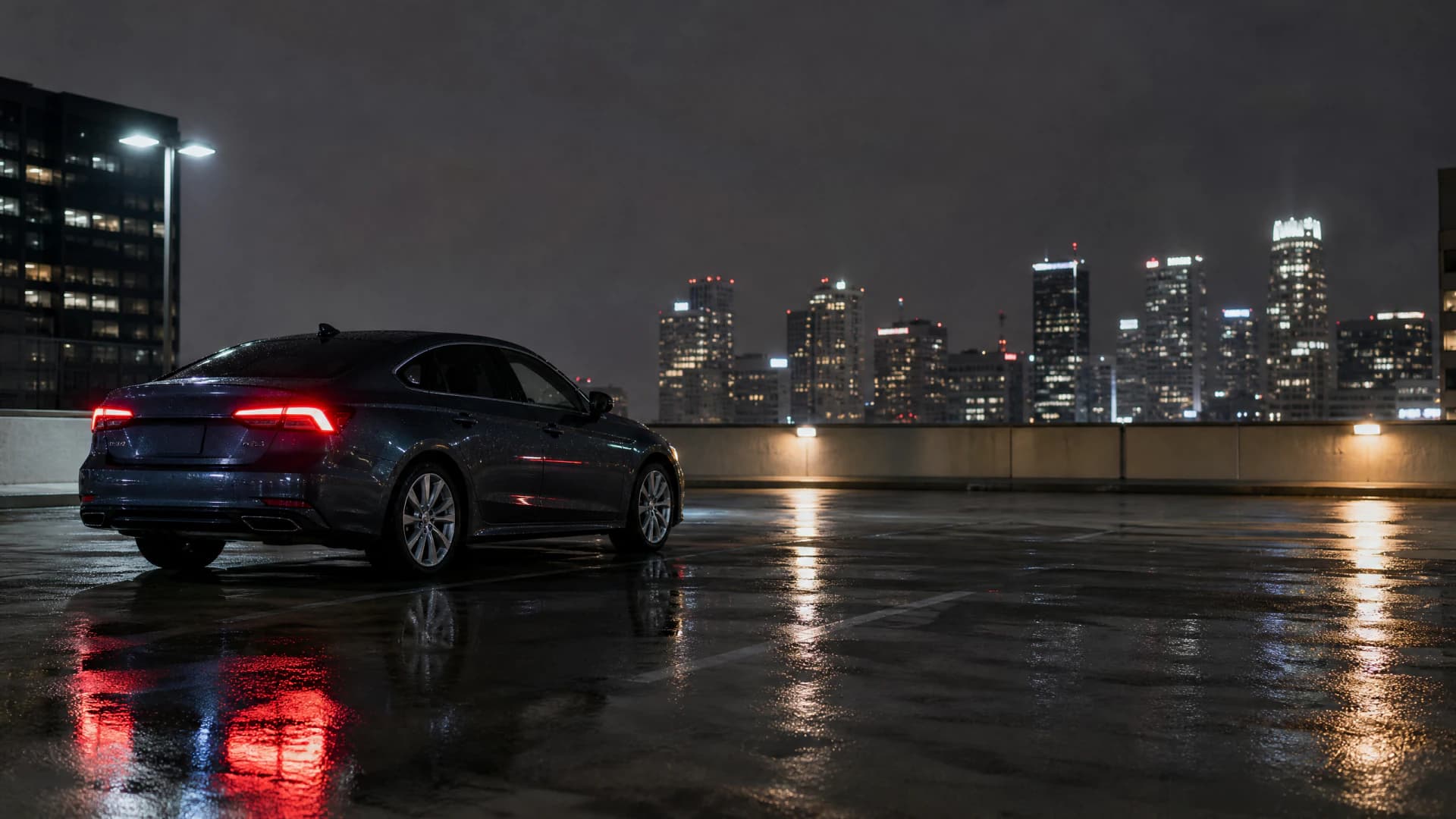
Rejecting UM coverage on even one vehicle in a multi-car household creates a gap: the car without UM has no insurer-backed recovery path when hit by an uninsured driver.
Related Articles





The Cost and Coverage Trade-Off for Multiple Vehicles
UM coverage adds to your premium, but the increase is smaller than most drivers expect because UM rates are significantly lower than liability rates. The coverage pays only when the at-fault driver is uninsured, a narrower risk pool than liability coverage, which pays regardless of the other driver's insurance status. For a household with three vehicles, adding UM across all three raises the total premium, but the per-vehicle cost is modest compared to the liability base.
The trade-off sharpens when you compare the UM premium to the financial exposure. New Mexico's high uninsured rate—24.1%—means roughly one in four crashes involves a driver with no policy. If you reject UM and are hit by an uninsured driver, your only recovery path is a lawsuit against someone who likely has no assets. Medical bills, lost wages, and pain-and-suffering damages fall entirely on you unless you carry health insurance that covers auto injuries, and even then you're absorbing deductibles and out-of-pocket maximums that UM would have paid.
For households comparing carriers, UM pricing varies. Some carriers price UM as a flat per-vehicle charge; others calculate it as a percentage of your bodily injury liability limit. Comparing quotes with and without UM across multiple carriers shows the actual cost difference for your household's vehicle count and driver profile. The decision is not whether UM is worth it in the abstract—it's whether the specific premium increase justifies the protection given New Mexico's uninsured driver rate and your household's exposure.
$25,000 / $50,000 / $10,000
New Mexico Minimum Liability Limits
New Mexico requires $25,000 per person and $50,000 per accident for bodily injury, plus $10,000 for property damage. UM coverage, when elected, typically mirrors these liability limits unless you purchase higher protection.
New Mexico Motor Vehicle Division
Standardizing UM Elections Across Your Household's Vehicles
The cleanest approach for multi-vehicle households is to carry UM on every car at the same limits. Standardizing eliminates the coverage-mismatch risk and simplifies claims: no matter which household vehicle is hit, the UM claim path is identical. It also avoids the confusion that arises when one driver assumes the household is fully covered but discovers mid-claim that the car they were driving rejected UM at policy inception.
If budget constraints make full UM coverage across all vehicles prohibitive, prioritize the cars driven most frequently and in the highest-risk areas. A vehicle used for daily Albuquerque commutes faces higher uninsured-driver exposure than a truck driven occasionally on rural roads. Some carriers allow you to carry higher UM limits on high-use vehicles and lower limits on others, a middle path that preserves some protection without the cost of uniform high limits across the fleet. Rejecting UM entirely on any vehicle should be a deliberate decision, not a default choice made to shave premium without understanding the gap it creates.
Compare Carriers and Confirm Your UM Election
New Mexico's optional UM structure means every carrier prices and presents the coverage differently. Some build UM into their standard quote and require you to reject it; others present it as an add-on you must affirmatively select. When comparing quotes for a multi-vehicle policy, confirm whether UM is included in the quoted premium or priced separately, and whether the election applies per-policy or per-vehicle. The declarations page shows your UM limits for each car—verify them at policy inception and again at each renewal to ensure the coverage matches your intent.
How the UM Election Works on Multi-Vehicle Policies
Most New Mexico carriers present UM coverage as a per-policy election: you accept or reject it once, and that election applies to every vehicle on the policy. A few carriers allow per-vehicle elections, letting you carry UM on your daily driver but reject it on a rarely-driven third car. The per-policy structure is more common because it simplifies underwriting and avoids the coverage-mismatch confusion that arises when one household vehicle is protected and another is not.
If you reject UM coverage, the carrier requires a signed waiver. That waiver stays on file and renews automatically each term unless you affirmatively add UM back. Adding UM mid-term is permitted—you contact the carrier, request the addition, and the coverage starts immediately with a pro-rated premium adjustment. Removing UM mid-term requires another signed waiver. The waiver requirement exists because New Mexico law assumes you want UM unless you explicitly decline it in writing, a consumer-protection design intended to prevent accidental gaps.
Get Your Free Quote
Get My New Mexico Car Insurance QuoteFrequently Asked Questions
Does New Mexico require uninsured motorist coverage?
No. New Mexico does not mandate uninsured motorist coverage. Carriers must offer it, and you must sign a waiver to reject it, but the state does not require you to carry it. The decision is yours, made per policy or per vehicle depending on your carrier's structure.
Can I add uninsured motorist coverage to my New Mexico policy after I buy it?
Yes. You can add UM coverage at any time by contacting your carrier and requesting the addition. The coverage starts immediately, and your premium adjusts pro-rated for the remainder of the term. No waiting period applies.
What happens if I reject UM coverage on one car but keep it on another?
The car without UM has no insurer-backed recovery path if hit by an uninsured driver. Your only option is suing the at-fault driver directly, which is often futile because uninsured drivers rarely have assets to collect against. The coverage mismatch creates a gap in your household's protection.
Does uninsured motorist coverage cost the same as liability coverage?
No. UM coverage costs significantly less than liability because it pays only when the at-fault driver is uninsured, a narrower risk pool. The exact cost varies by carrier, vehicle, and your liability limits, but UM is typically a modest addition to your total premium.
If I have health insurance, do I still need uninsured motorist coverage?
Health insurance covers medical bills, but UM coverage pays for lost wages, pain and suffering, and other damages your health plan does not cover. UM also pays without the deductibles and out-of-pocket maximums your health plan imposes. The two coverages serve different purposes.
Can I carry different UM limits on different vehicles in my household?
Some carriers allow per-vehicle UM limits; others apply a single election across the entire policy. Check your carrier's structure. If per-vehicle elections are permitted, you can carry higher limits on high-use cars and lower limits on others, but rejecting UM entirely on any vehicle creates a coverage gap.