
New Mexico Financial Responsibility Law — Multi-Vehicle Households
Free to compare
What Triggers the Financial Responsibility Requirement
You register a second or third vehicle with the New Mexico Motor Vehicle Division, and the system immediately checks whether that car appears on an active insurance policy meeting state minimums. The Financial Responsibility Act (NMSA Chapter 66, Article 5, Part 3) applies per vehicle: every car titled and registered in your name must carry at least $25,000 bodily injury per person, $50,000 bodily injury per accident, and $10,000 property damage. The MVD verifies compliance electronically through carrier reporting, not paper cards.
Most households assume proof of insurance is a one-time registration step. New Mexico runs continuous verification: when you add a vehicle mid-term, the MVD queries the insurance database within days. If the new car does not appear on a compliant policy, the system flags the registration and you receive a notice demanding proof or face suspension of that vehicle's plates.
“The MVD queries the insurance database within days of registration, often before your carrier's grace period ends.”

See What New Mexico Drivers Pay for the Coverage They Need
Get My New Mexico Car Insurance Quote$25,000 / $50,000 / $10,000
New Mexico Minimum Liability
Every registered vehicle in New Mexico must carry at least these liability limits. The MVD tracks compliance per vehicle through electronic insurer reporting, not paper cards submitted at registration.
NMSA Chapter 66, Article 5, Part 3
How the Law Applies Across Multiple Vehicles
The Financial Responsibility Act does not care whether you insure all your cars on one policy or split them across separate policies. What matters: every vehicle you own appears on an active policy meeting the $25,000/$50,000/$10,000 floor, and that policy is reported to the MVD's electronic verification system by a licensed carrier. A single multi-car policy covering every vehicle satisfies the mandate. So does a separate policy per car, as long as each meets minimums.
The structural reality: New Mexico does not use SR-22 or any insurer-filed certificate for ordinary compliance. Carriers report policy data directly to the MVD through the state's Mandatory Financial Responsibility system. When you add a vehicle to your household, your insurer must report that vehicle's coverage to the MVD database. If you buy a car and title it before notifying your insurer, the MVD sees a registered vehicle with no matching insurance record and initiates enforcement.
This creates a timing window most multi-car households miss. You have a grace period to add a newly purchased vehicle to your existing policy—typically 10 to 30 days depending on your carrier's terms—but the MVD does not wait for your carrier's grace period to expire. The electronic query runs within days of registration. If the system finds no match, you receive a compliance notice even if your carrier would have covered the car retroactively had a claim occurred during the grace window.
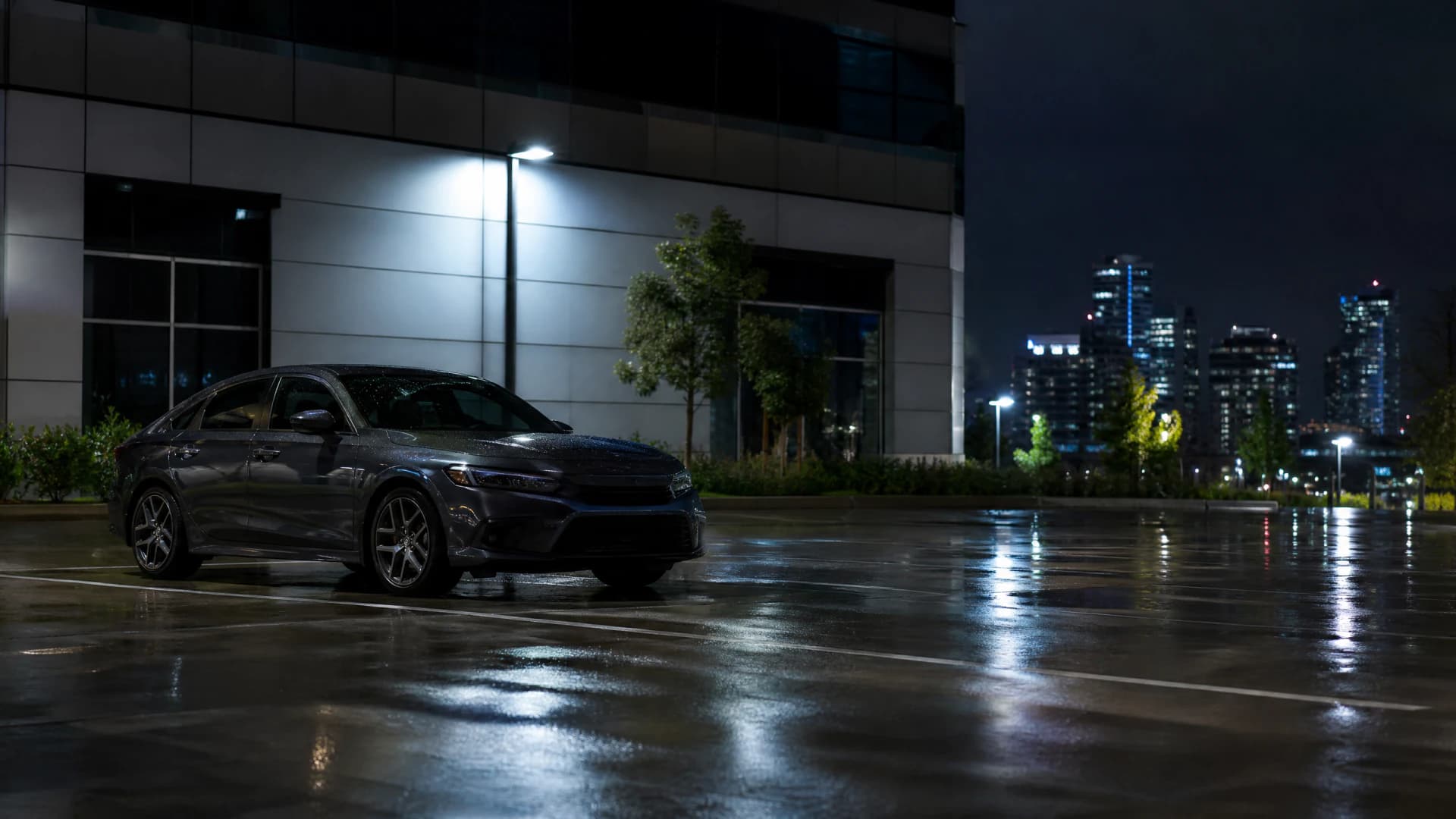
The MVD's electronic verification runs within days of registering a new vehicle, often before your carrier's grace period ends, triggering a compliance notice you must resolve with proof of coverage.
Related Articles
Multi-Car Insurance Requirements New Mexico
7/15/2026

Financial Responsibility Proof New Mexico
7/15/2026

New Mexico Minimum Liability Coverage Limits
7/15/2026

New Mexico Multi-Car Coverage Essentials
7/15/2026

New Mexico 25/50/10 Liability Explained
7/15/2026
Transfer Multi-Car Insurance to New Mexico
7/15/2026

Consequences of Driving an Uninsured Vehicle
New Mexico treats each vehicle separately for enforcement. If one car in your household lacks compliant coverage, the MVD suspends that vehicle's registration, not your driver license or your other cars' plates. You may continue driving your insured vehicles legally while the flagged car sits unregistered.
The state does not mandate uninsured motorist coverage or personal injury protection, but 24.1 percent of New Mexico drivers carry no insurance at all. That uninsured-motorist rate is among the highest in the country. A household insuring multiple vehicles on minimum liability alone faces significant out-of-pocket risk if an uninsured driver hits one of your cars. Uninsured motorist coverage is optional but covers your vehicle and medical costs when the at-fault driver has no policy.
Seventeen carriers write auto insurance in New Mexico. Not all write multi-car policies at competitive rates, and not all offer the same multi-vehicle discount structure. Comparing carriers that specialize in multi-car households often produces a lower combined premium than insuring each vehicle separately, but the discount applies only when every car sits on the same policy and shares a garaging address.
24.1%
New Mexico Uninsured Motorist Rate
Nearly one in four drivers in New Mexico carries no insurance. Households with multiple vehicles face elevated risk of an uninsured-driver collision, making optional uninsured motorist coverage a practical consideration beyond the state's liability-only mandate.
Insurance Research Council, 2023

Policy Structure Decisions for Multi-Vehicle Households
A single policy covering every vehicle simplifies compliance: one renewal date, one declarations page, one reporting cycle to the MVD. When you add or remove a car, the carrier updates the policy and reports the change in the next batch transmission. The MVD database reflects the household's full vehicle roster under one policy number, reducing the chance of a verification mismatch.
Separate policies per vehicle increase administrative overhead. Each policy renews independently, each generates its own declarations page, and each carrier reports separately to the MVD. If one policy lapses or one carrier delays reporting, the MVD flags that vehicle even though your other cars remain insured. The multi-vehicle discount—offered by most carriers writing in New Mexico—applies only when every vehicle sits on the same policy. Splitting cars across policies forfeits that discount and raises your combined premium.
Compare Carriers and Lock Coverage Before Registration
New Mexico's electronic verification system does not forgive timing gaps. The MVD queries the insurance database within days of registration, and a missing vehicle triggers enforcement before most grace periods expire. The correct sequence: bind coverage on the new vehicle, confirm the carrier reported it to the MVD system, then register the car. That order eliminates the compliance notice and the reinstatement hassle.
Compare carriers that write multi-car policies in New Mexico and confirm each quotes all your vehicles on one policy. Request a declarations page showing every VIN, the policy number, liability limits at or above $25,000/$50,000/$10,000, and the current term dates. Verify the carrier participates in New Mexico's electronic reporting system—all licensed carriers do, but confirming eliminates doubt. Bind the policy, add the new vehicle if you are updating an existing policy, and register the car only after the insurer confirms the vehicle is active and reported.
What You Must Do When Adding a Vehicle
Contact your insurer before you register the new vehicle. Provide the VIN, make, model, and intended garaging address. The carrier adds the car to your policy and reports the coverage to the MVD database. When you complete registration, the MVD query finds the vehicle already listed on a compliant policy and no enforcement action triggers. This order—insure first, register second—closes the verification gap.
If you registered the car first and received an MVD compliance notice, respond immediately with proof that the vehicle now appears on a policy meeting state minimums. Acceptable proof: a declarations page showing the VIN, policy number, coverage limits at or above $25,000/$50,000/$10,000, and the current policy period. Mail or upload the document per the notice instructions. The MVD lifts the flag once the insurer's next reporting cycle confirms the vehicle in the database.
Get Your Free Quote
Get My New Mexico Car Insurance QuoteFrequently Asked Questions
Does New Mexico require insurance on every vehicle I own?
Yes. Every vehicle titled and registered in your name must carry at least $25,000/$50,000/$10,000 liability coverage. The MVD verifies compliance per vehicle through electronic insurer reporting. If a car in your household lacks coverage, the MVD suspends that vehicle's registration.
Can I insure multiple cars on one policy in New Mexico?
Yes. A single policy covering every vehicle satisfies the Financial Responsibility Act as long as each car meets the $25,000/$50,000/$10,000 minimum. Most carriers offer a multi-vehicle discount when all cars sit on the same policy and share a garaging address.
What happens if I register a car before adding it to my insurance?
The MVD queries the insurance database within days of registration. If the new vehicle does not appear on a compliant policy, you receive a compliance notice and the vehicle's registration is flagged.
Does New Mexico use SR-22 for financial responsibility?
No. New Mexico does not use SR-22 or any insurer-filed certificate for ordinary compliance. Carriers report policy data directly to the MVD through the state's electronic verification system. SR-22 is not part of New Mexico's Financial Responsibility Act.
How long do I have to add a new vehicle to my policy?
Your carrier's grace period typically ranges from 10 to 30 days, but the MVD's electronic verification runs within days of registration. Add the vehicle to your policy before you register it to avoid a compliance notice and potential plate suspension.
What is the reinstatement fee if my vehicle's registration is suspended?
The fee applies per vehicle, not per household.