
Average Cost of Car Insurance — New Mexico
Free to compare
What New Mexico Drivers Actually Pay
You're shopping for car insurance in New Mexico and trying to understand what you'll actually pay. The state requires $25,000 per person and $50,000 per accident in bodily-injury liability, plus $10,000 in property-damage liability. Those minimums set the floor, but your premium depends on how carriers price the risk profile New Mexico presents: 24.1% of drivers are uninsured, vehicle thefts run at 522.6 per 100,000 residents, and 27% of traffic fatalities involve alcohol impairment.
The structural reality is that meeting the state minimum does not insulate you from the cost consequences of those risks. Uninsured-motorist coverage is optional in New Mexico, but carriers price your base liability premium knowing one in four drivers on the road carries no insurance at all. Your premium reflects that exposure whether you add uninsured-motorist protection or not.
“One in four New Mexico drivers carries no insurance, and your liability premium reflects that exposure whether you add uninsured-motorist coverage or not.”

See What New Mexico Drivers Pay for the Coverage They Need
Get My New Mexico Car Insurance Quote24.1%
New Mexico Uninsured Drivers
Nearly one in four drivers on New Mexico roads carries no insurance. That rate is among the highest in the nation and directly affects how carriers price liability coverage, even for drivers who meet the state minimum.
Insurance Research Council, 2023
How New Mexico's Minimum Limits Shape Your Premium
New Mexico's $25,000/$50,000/$10,000 liability requirement is the legal floor. Carriers build premiums from that baseline, then adjust for your driving record, vehicle, location, and the state's risk environment. The high uninsured-motorist rate means your liability premium carries implicit exposure: if you're hit by an uninsured driver, your own policy's uninsured-motorist coverage (if you bought it) pays your medical bills and vehicle damage. If you declined that coverage, you absorb the loss.
The property-damage minimum of $10,000 covers damage you cause to another vehicle or structure. In a state where vehicle theft runs at 522.6 per 100,000 residents, comprehensive coverage (which pays for theft, vandalism, and weather damage) becomes a decision point separate from liability. Comprehensive is optional, but its cost reflects New Mexico's theft rate directly. Carriers price comprehensive higher in Albuquerque and other metro areas where theft concentrates.
Collision coverage (which pays for damage to your own vehicle after an at-fault accident) is also optional. New Mexico is a fault state, meaning the at-fault driver's liability insurance pays for the other party's damage. If you cause the accident, your collision coverage pays for your own vehicle. Without collision, you pay out of pocket. Choosing a $500 or $1,000 deductible lowers your collision premium but increases what you pay at claim time.
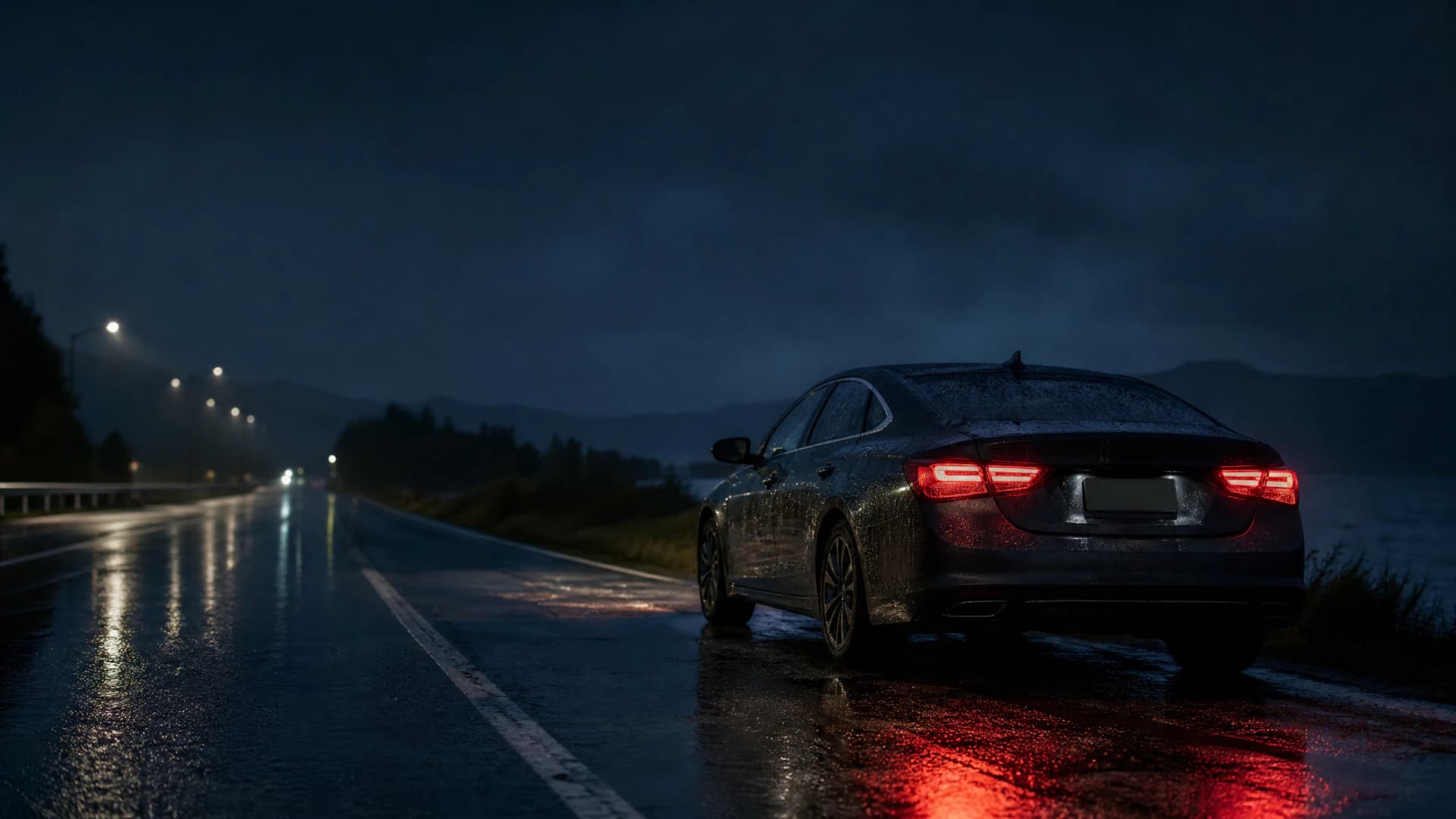
New Mexico does not require uninsured-motorist coverage, but 24.1% of drivers carry no insurance. Declining UM coverage leaves you exposed to out-of-pocket medical and repair costs if an uninsured driver hits you.





Comparing Minimum Coverage to Full Coverage
Minimum coverage in New Mexico means carrying only the required $25,000/$50,000/$10,000 liability. You're legal to drive, but you have no protection for your own vehicle and no coverage if an uninsured driver hits you. Full coverage typically means liability plus collision, comprehensive, and uninsured-motorist protection. The premium difference is substantial, but full coverage protects your vehicle and your medical expenses in scenarios minimum coverage does not address.
If your vehicle is financed or leased, your lender requires collision and comprehensive. If you own your vehicle outright, the decision is yours. A vehicle worth less than a few thousand dollars may not justify the collision and comprehensive premium. A newer or higher-value vehicle usually does. The percentage matters.
Uninsured-motorist coverage is a separate decision. It's optional in New Mexico, but given the 24.1% uninsured rate, declining it means betting you won't be hit by someone without insurance. UM coverage pays your medical bills and vehicle damage when the at-fault driver has no insurance. The premium is typically modest relative to the exposure it covers. Compare the cost of adding UM to the risk of paying out of pocket after an uninsured driver totals your car.
522.6 per 100k
New Mexico Vehicle Theft Rate
New Mexico's vehicle-theft rate is among the highest in the nation. Comprehensive coverage premiums reflect this risk, and carriers adjust rates by metro area and vehicle make. Theft-prone models cost more to insure.
FBI Uniform Crime Reporting, 2024

How Carriers Price New Mexico Risk
Carriers writing in New Mexico include Allstate, Farmers, Geico, Progressive, State Farm, Travelers, and USAA, among others. Each carrier uses its own rating model, and premiums for identical coverage can vary by hundreds of dollars annually. The high uninsured-motorist rate and theft rate affect every carrier's pricing, but each weights those factors differently. One carrier may price theft risk more aggressively in Albuquerque; another may focus on DUI history or credit score.
New Mexico does not use an insurer-filed certificate system like SR-22. Compliance runs through the Mandatory Financial Responsibility Act: you must carry the $25,000/$50,000/$10,000 liability minimum, or post a $60,000 surety bond or cash deposit with the State Treasurer. The Motor Vehicle Division tracks insurance electronically. If your policy lapses, the MVD is notified, and your registration can be suspended.
Compare Carriers and Coverage Levels
Your next step is to compare quotes from multiple carriers writing in New Mexico. Request quotes for minimum liability, then request quotes for full coverage with the same deductibles and limits. The premium difference shows you what collision, comprehensive, and uninsured-motorist coverage cost in your ZIP code for your vehicle and driving record. Compare at least three carriers: rate spreads are wide, and the cheapest carrier for minimum coverage may not be the cheapest for full coverage.
When comparing, confirm each quote includes uninsured-motorist coverage if you want it. New Mexico does not require UM, so some quotes may omit it by default. Ask explicitly. Also confirm the collision and comprehensive deductibles: a $500 deductible costs more in premium than a $1,000 deductible, but you pay less out of pocket at claim time. Choose the deductible you can afford to pay if you file a claim. The premium savings from a higher deductible are real, but they only matter if you can cover the deductible when you need to.
What Drives Premium Differences in New Mexico
Your driving record is the largest controllable factor. A DUI conviction, at-fault accident, or speeding ticket raises your premium immediately. New Mexico's 27% alcohol-impaired fatality rate means carriers price DUI violations aggressively. A clean record over three years lowers your rate; violations stay on your record and affect pricing for that full period. Your vehicle's theft risk also matters: New Mexico's 522.6 thefts per 100,000 residents mean comprehensive premiums vary significantly by make, model, and garaging location.
Your location within New Mexico affects your rate. Albuquerque, Santa Fe, and Las Cruces see higher theft and accident rates than rural counties, and carriers adjust premiums by ZIP code to reflect that concentration. Your credit score (where state law permits its use) also influences your rate. Younger drivers pay more due to higher accident rates statewide: New Mexico logged 1.55 traffic fatalities per 100 million vehicle miles traveled in 2023, and drivers under 25 are overrepresented in that figure.
Get Your Free Quote
Get My New Mexico Car Insurance QuoteFrequently Asked Questions
What is the minimum car insurance required in New Mexico?
New Mexico requires $25,000 per person and $50,000 per accident in bodily-injury liability, plus $10,000 in property-damage liability. Personal-injury protection and uninsured-motorist coverage are optional. You must carry proof of insurance or post a $60,000 surety bond or cash deposit with the State Treasurer.
Does New Mexico require uninsured-motorist coverage?
No. Uninsured-motorist coverage is optional in New Mexico. However, 24.1% of drivers in the state carry no insurance, so declining UM coverage leaves you exposed to out-of-pocket costs if an uninsured driver hits you. UM coverage pays your medical bills and vehicle damage in that scenario.
How does New Mexico's high uninsured-motorist rate affect my premium?
Carriers price liability coverage knowing that nearly one in four New Mexico drivers is uninsured. That risk is built into your base premium whether you add uninsured-motorist coverage or not. If you decline UM coverage, you absorb the financial loss if an uninsured driver causes an accident.
What happens if my car insurance lapses in New Mexico?
New Mexico's Motor Vehicle Division tracks insurance electronically. If your policy lapses, the MVD is notified and your registration can be suspended. You cannot legally drive without active liability coverage or a posted bond.
Is comprehensive coverage worth it in New Mexico?
New Mexico's vehicle-theft rate is 522.6 per 100,000 residents, among the highest in the nation. Comprehensive coverage pays for theft, vandalism, and weather damage. If your vehicle is financed or leased, your lender requires it. If you own it outright, compare the annual premium to your vehicle's value and your ability to replace it out of pocket.
How do I compare car insurance quotes in New Mexico?
Request quotes from at least three carriers writing in New Mexico. Compare minimum liability first, then request full-coverage quotes with identical deductibles and limits. Confirm each quote includes uninsured-motorist coverage if you want it, since New Mexico does not require UM and some quotes omit it by default.